OUR HISTORY
The journey of Scottish Freemasonry from medieval Europe to the shores of Newfoundland.
1300s
The Operative Lodges
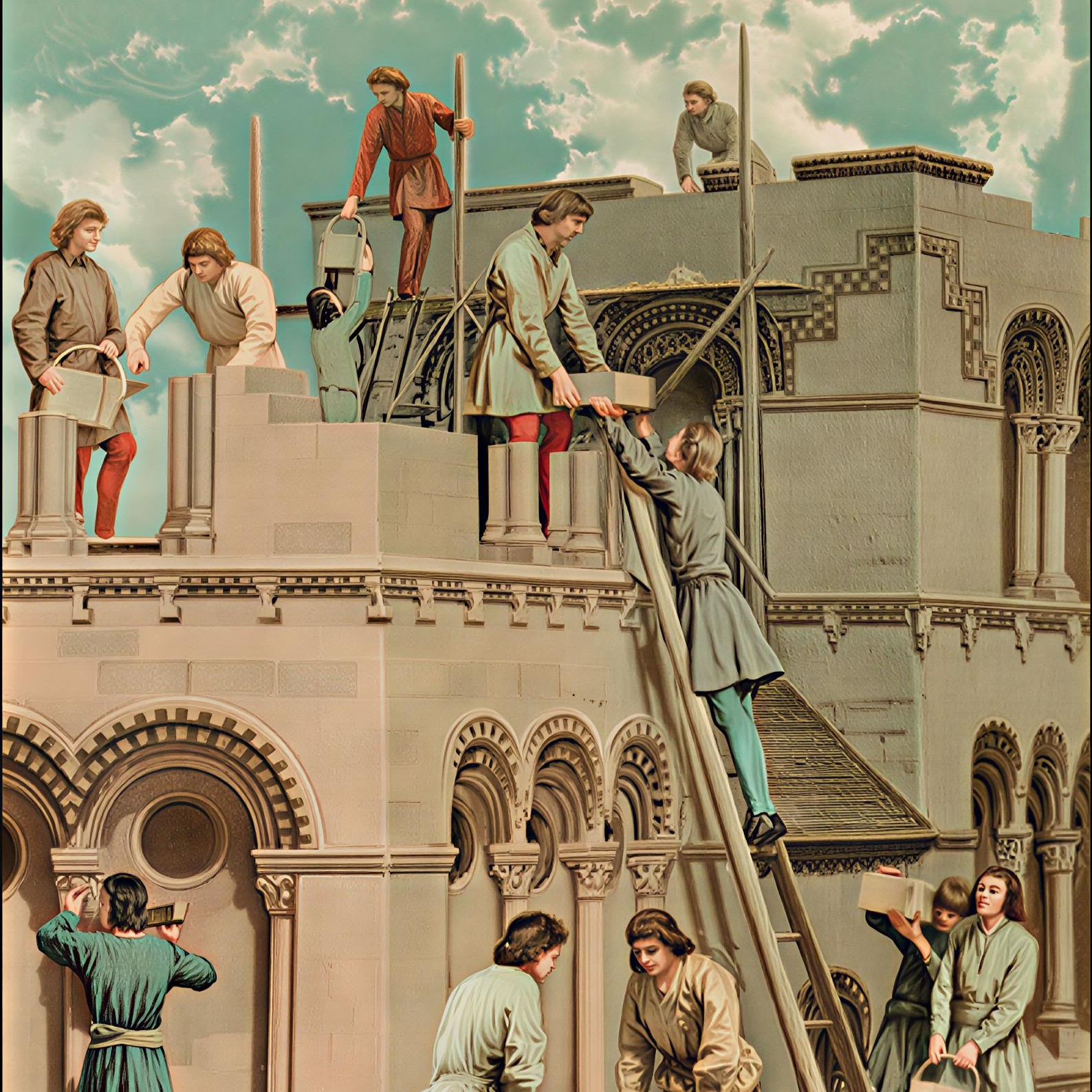
"Formation of Europe's stonemason guilds."
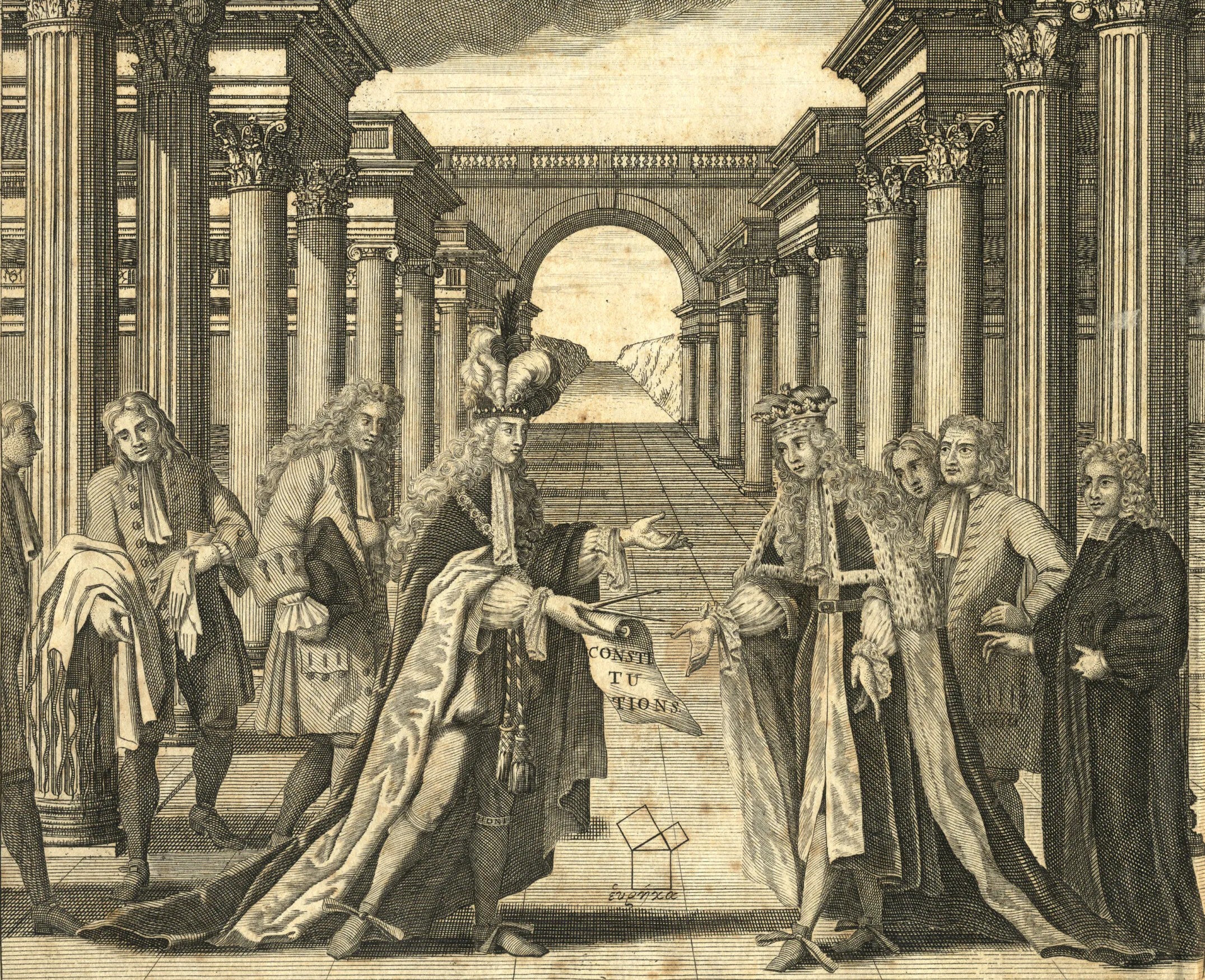
Freemasonry traces its roots to the medieval stonemason lodges of Europe, skilled craftsmen who built the great cathedrals, castles, and civic architecture of the Middle Ages. As early as the 1300s, these operative masons gathered in lodges to regulate the craft, teach apprentices, and uphold standards of skill and moral conduct.
The Schaw Statutes
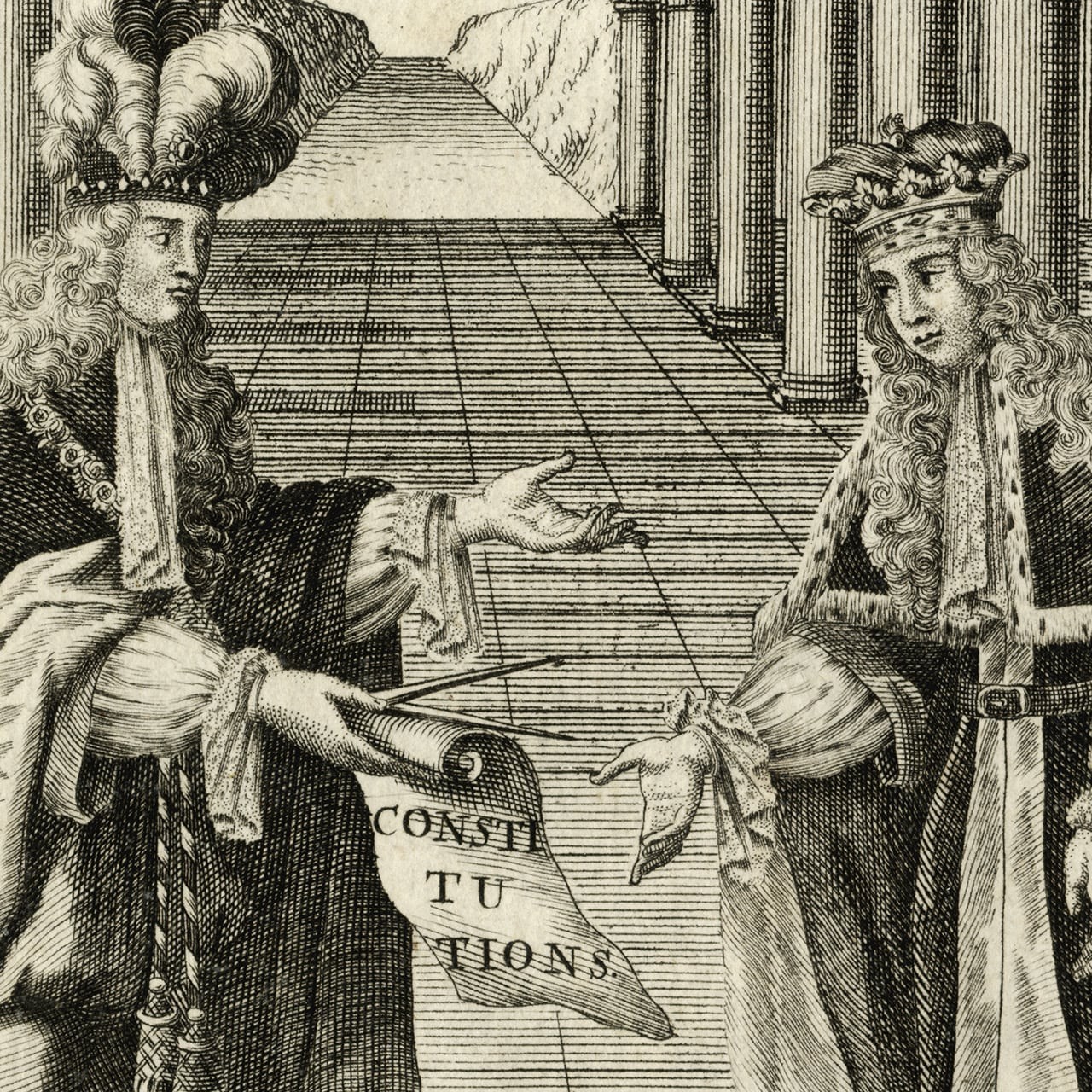
"Oldest recorded Masonic regulations issued in Scotland."
Scotland has one of the oldest continuous Masonic traditions in the world. The Schaw Statutes were issued, establishing formal rules for lodges and officer roles in Scotland. These are the oldest written Masonic regulatory documents known.
Transition to Speculative
"Lodges open to non-operative members."
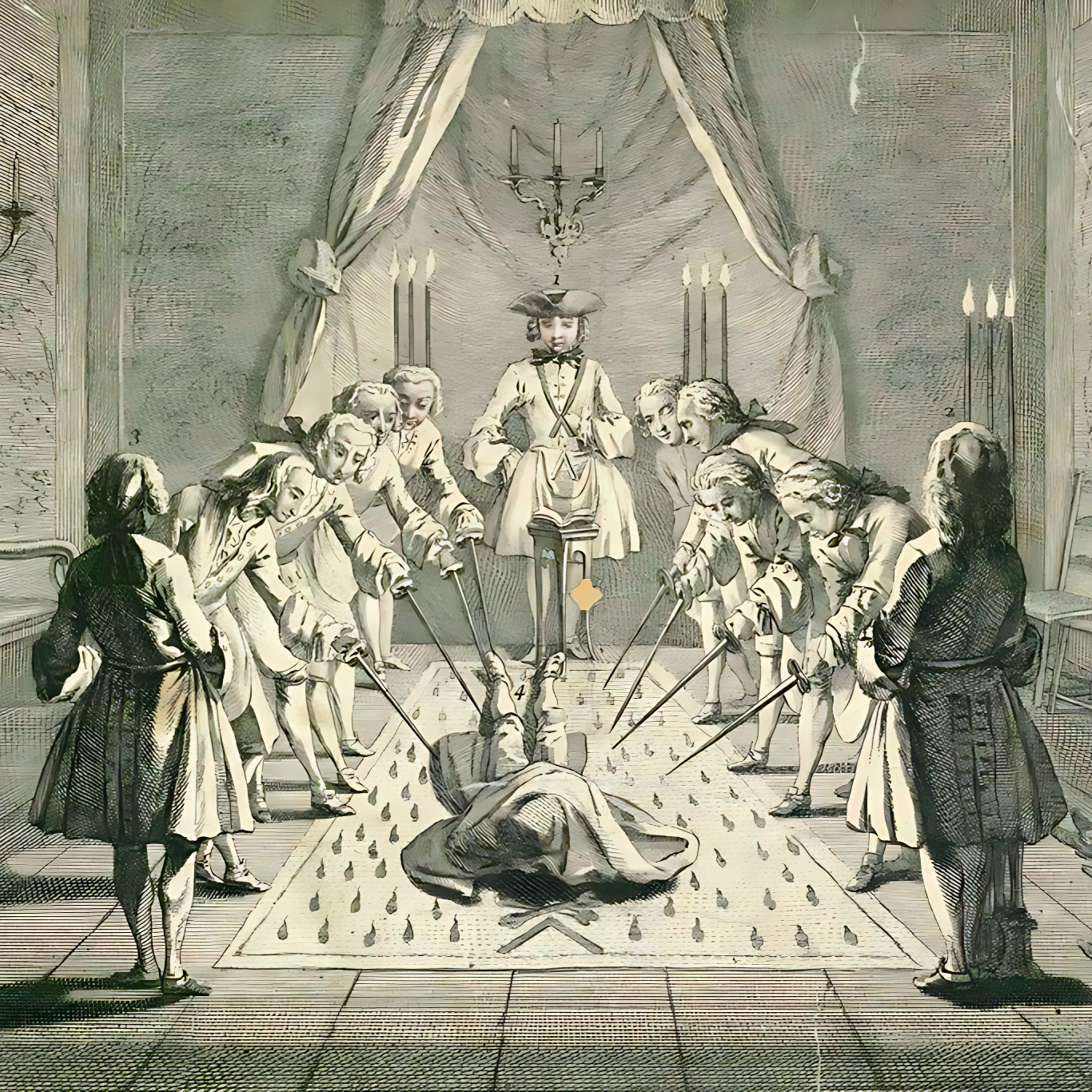
By the late 1500s and early 1600s, a profound transformation began: lodges gradually opened their doors to non-operative, or 'speculative,' members, men drawn not by stonecraft, but by the fraternity's moral teachings, symbolism, and dedication to personal improvement.
Grand Lodge of Scotland
"Independent Scottish lodges unite."
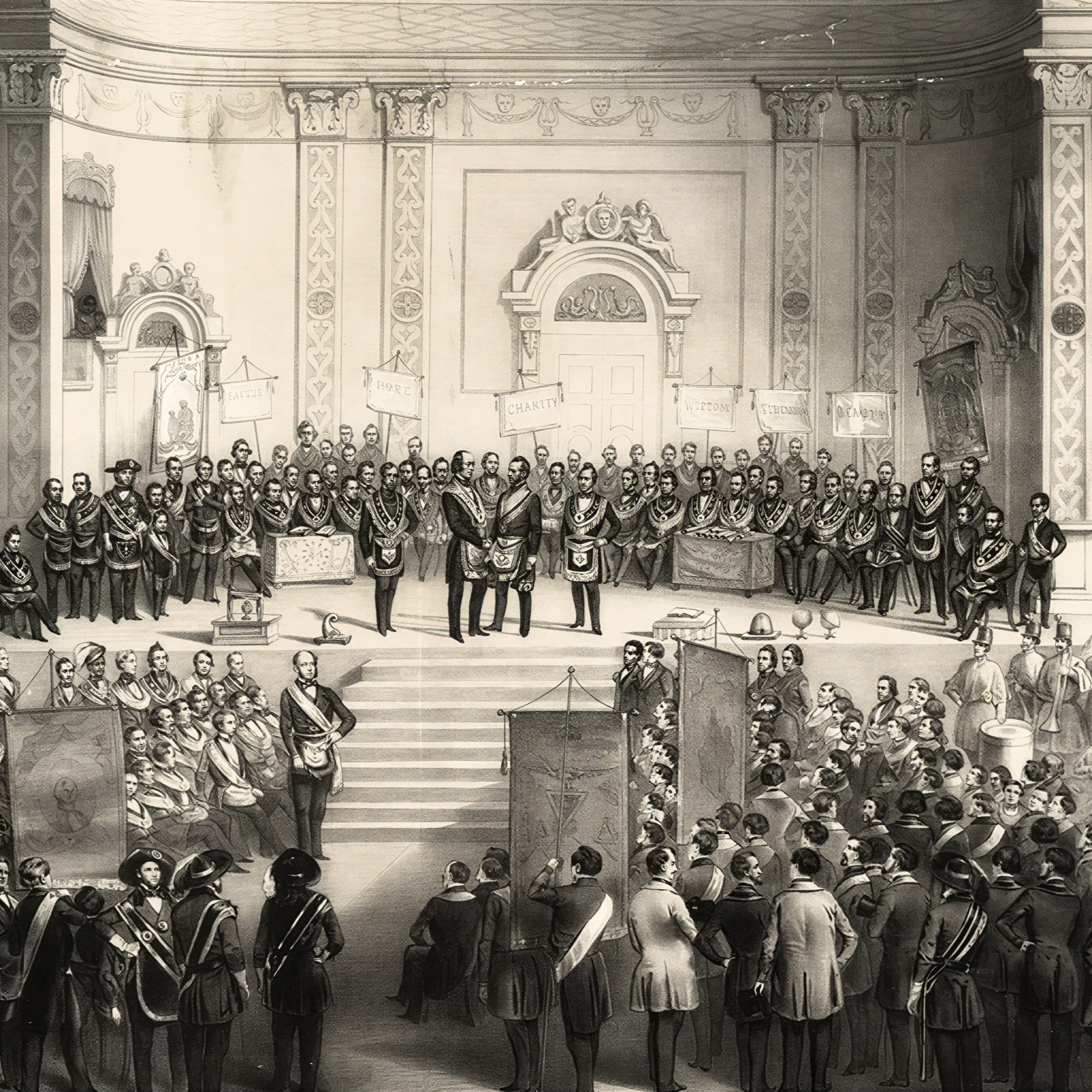
While England formed its first Grand Lodge in 1717, Scottish lodges maintained their independence until they united to form the Grand Lodge of Scotland in 1736. Unique Scottish traits include: strong preservation of ancient lodge customs and historic lodges dating back centuries.
The Scottish Rite Emerges
"Philosophical degrees inspired by Scottish symbolism spread across Europe."
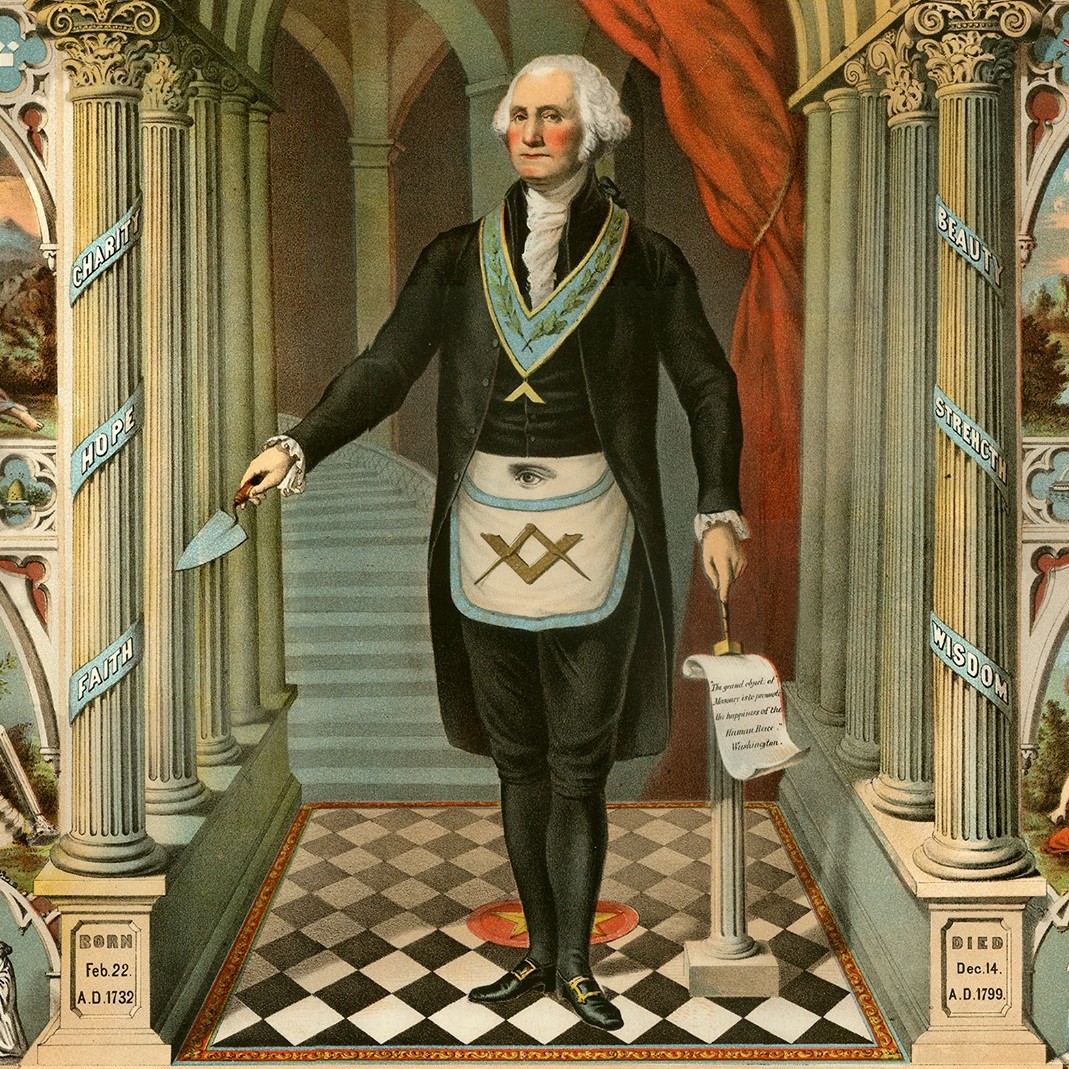
Although not governed by the Grand Lodge of Scotland, the Scottish Rite shares deep historical connections to Scotland's Masonic heritage. It emerged during the 1700s in France, inspired heavily by Scottish, Jacobite, and chivalric symbolism.
Arrival in Newfoundland
"First Scottish lodges established in the province."
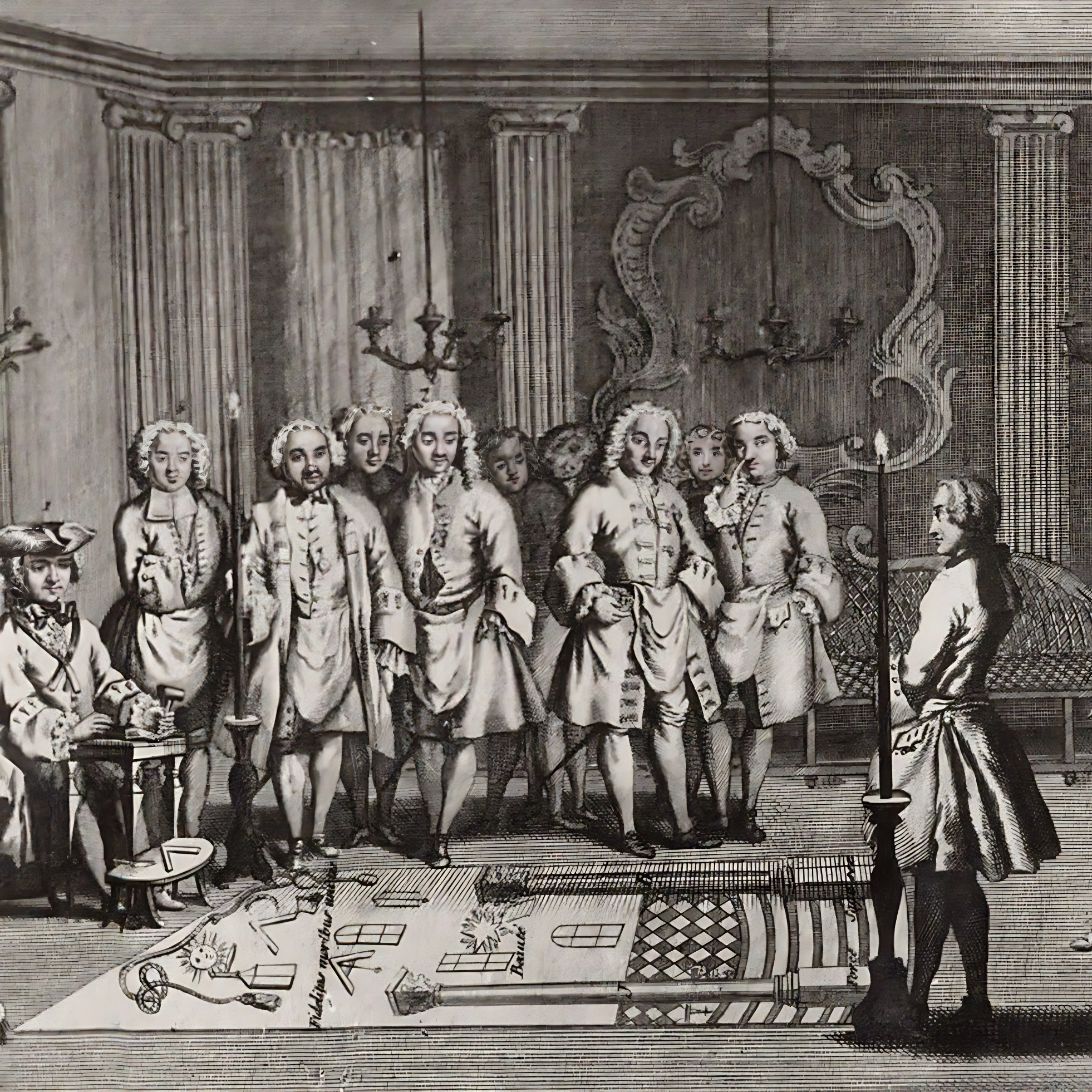
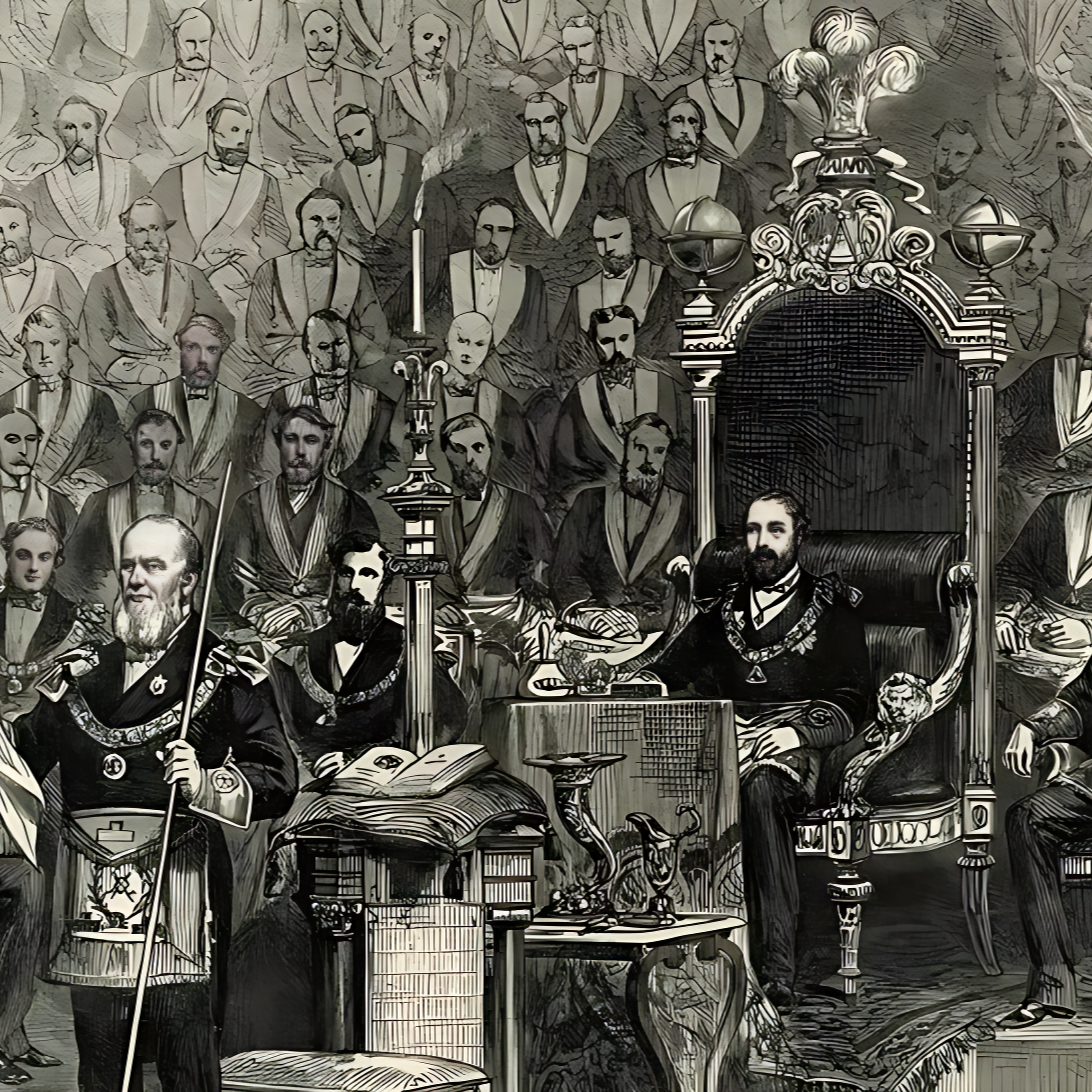
The presence of Scottish Freemasonry in Newfoundland and Labrador began in the mid-19th century. Before 1868, two Scottish lodges were already active in Newfoundland: Lodge Tasker No. 454 and Lodge Harbour Grace No. 476.
District Grand Lodge Formed
"Official recognition and governance established."
Growing membership and activity led to the formation of the District Grand Lodge of Newfoundland and Labrador under the authority of the Grand Lodge of Scotland. This created a formal organizational structure for Scottish Freemasonry in the province.
Growth & Service
"Expansion of lodges and charitable involvement."
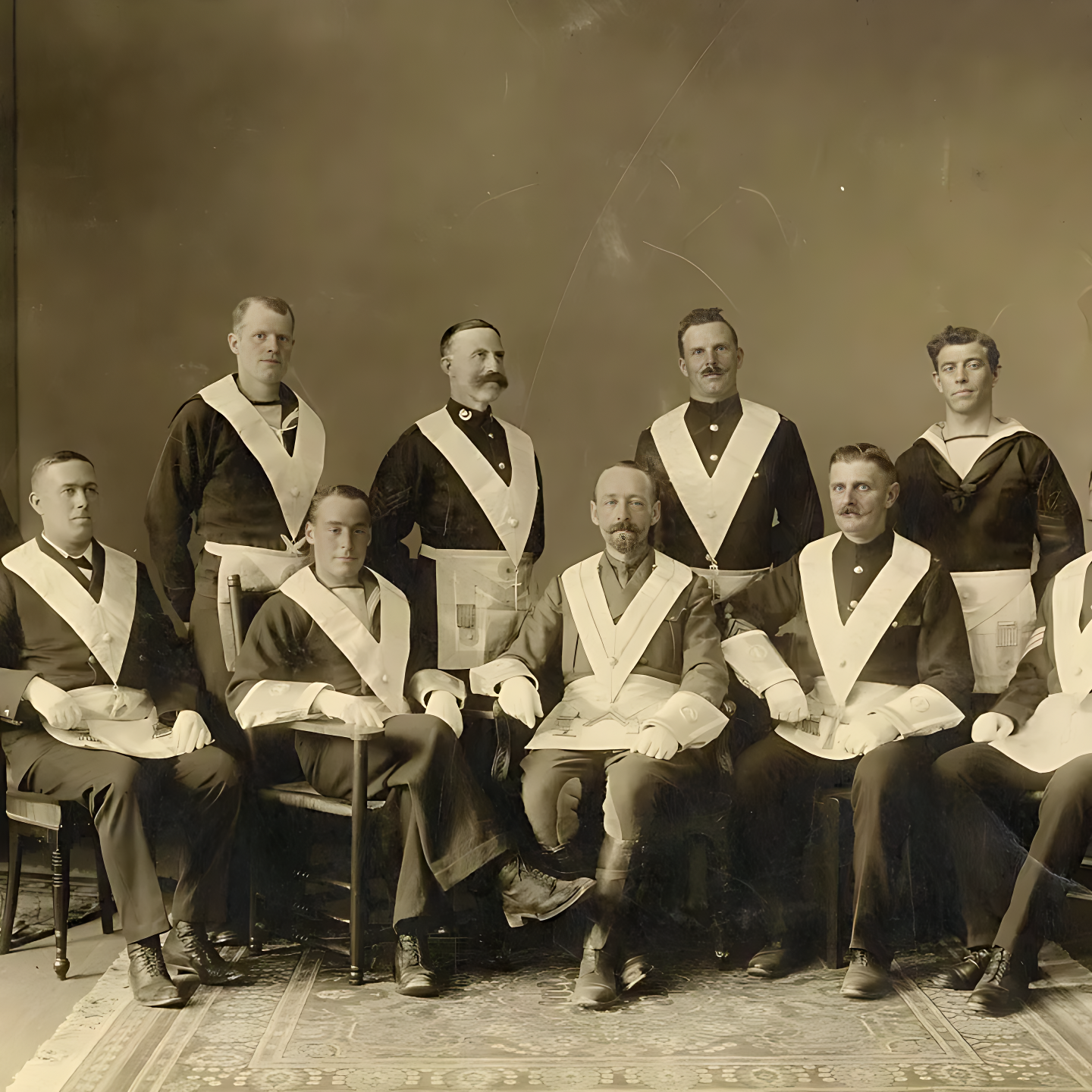
Late 1800s–1900s: Scottish lodges expanded across the province, supporting charitable work, education, and community development. Scottish Freemasonry played a significant role in supporting civic initiatives and community resilience.
A Living Heritage
"Preserving tradition and building brotherhood."
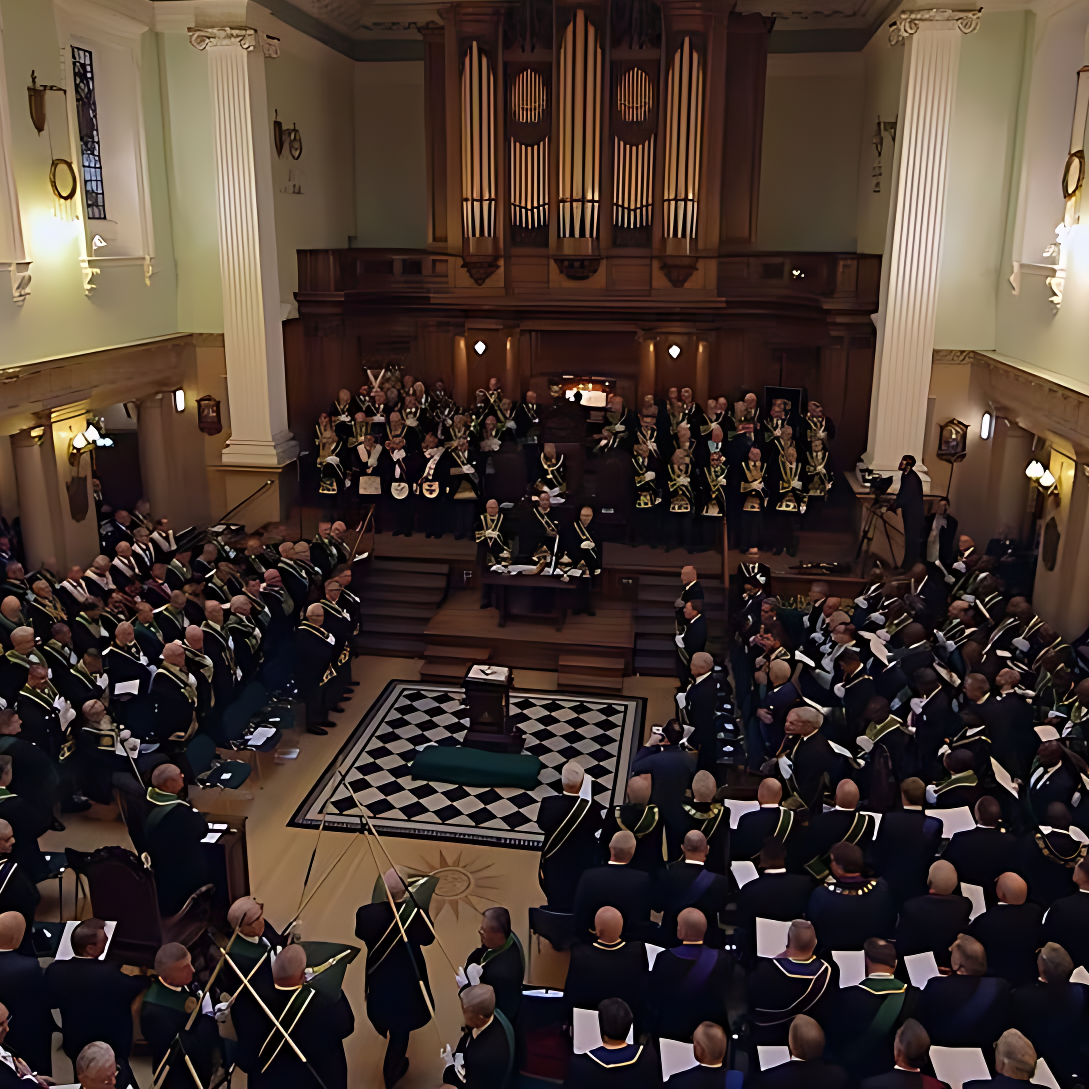
Today, the District Grand Lodge continues its mission of fostering brotherhood, personal growth, and service, preserving centuries of Masonic tradition in the unique cultural landscape of Newfoundland and Labrador.